


FEMALE WINEMAKER WINE DINNER
THURSDAY, NOVEMBER 5TH
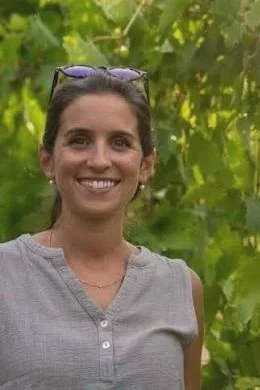
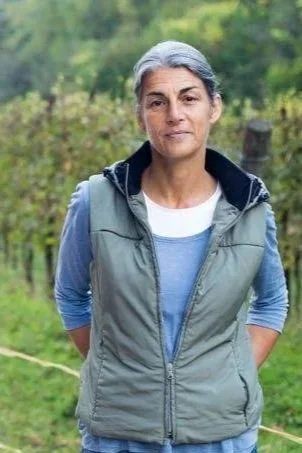
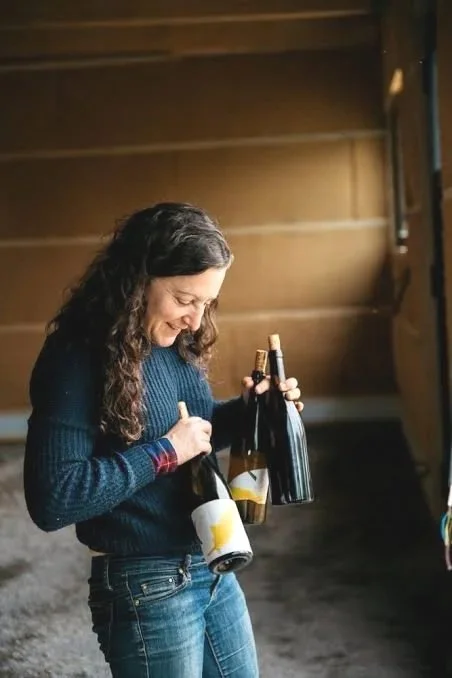
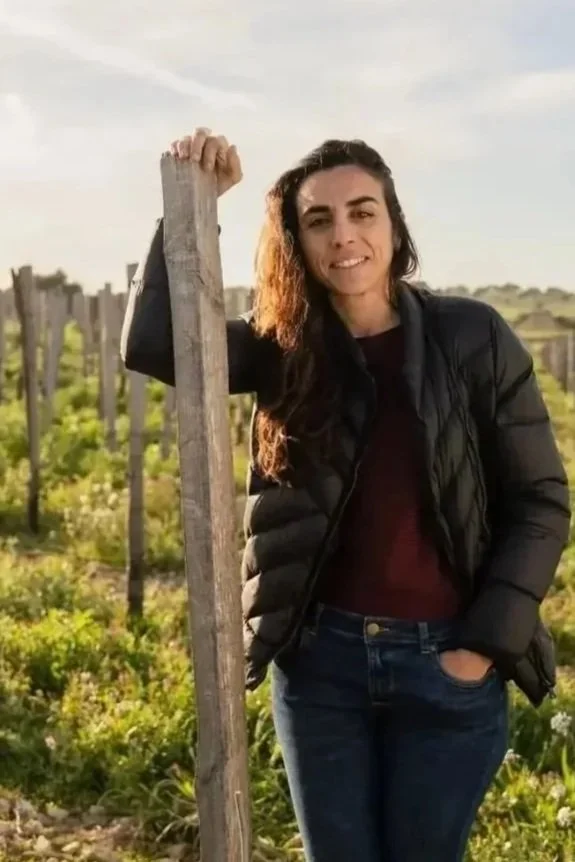
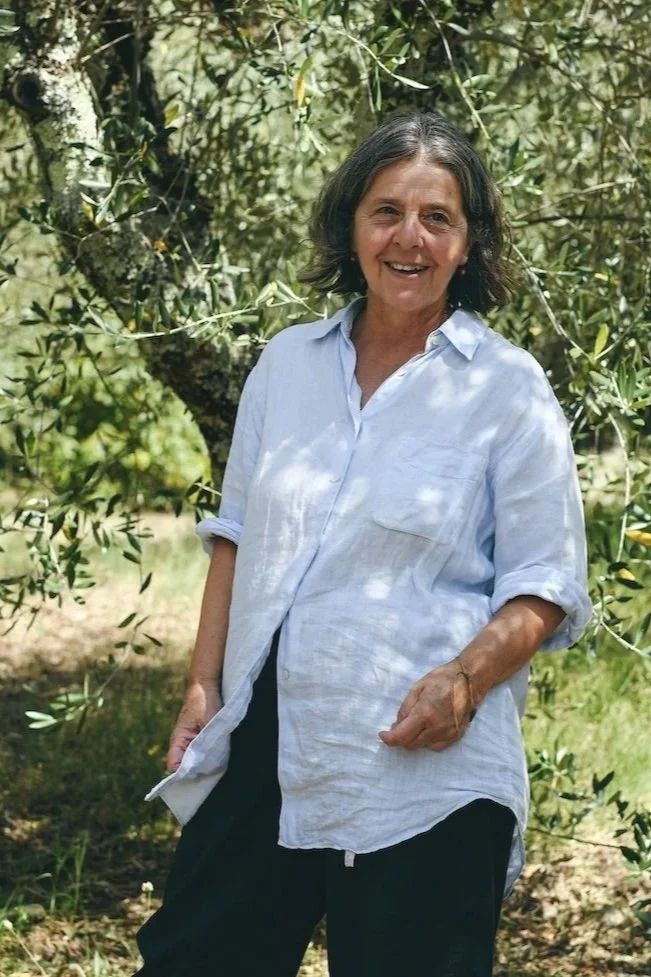
elisabetta foradori (trentinto alto-adige) - chiara condello (emilia-romagna) - alice bouvet (jura) - giovanna morganti (tuscany) - arianna occhipinti (sicily) - christina prandi (piedmont)
Join us for a four-course seasonal menu paired with top wines from some of our favorite female-owned estates. These women each hold a truly unique story and are redefining their family's names, estates, and/or wine regions. This is not to be missed.
We will be featuring a total of 8 total wines and two separate flights for the night so there will be plenty of wine to try.
four courses prix fixe menu plus wine flight - $150/pp
ELISABETTA FORADORI
Elisabetta’s wine story is familiar but still compelling. After her father died young, she took over the family estate out of duty, not passion. Over time, she found passion working in the vines and cellar. Though celebrated as “the queen of Teroldego” in the 1990s, by 2000 she felt disconnected from her work. Through questioning and experimentation—biodynamics, massal selection, amphorae—she stopped chasing market trends and focused on making wines that respect the soil and local grapes, using simpler, gentler techniques. Responsible for saving several local varieties from extinction, her influence on Trentino-Alto Adige and young female winemakers is unmistakable.
CHIARA CONDELLO
Chiara Condello founded Le Lucciole from a conviction that she is a steward of a winegrowing tradition handed down for centuries across the Predappio hills and from a desire to reinterpret that generous, singular land. She works to a clear concept: to produce wines that reveal her land’s high potential by stripping away everything nonessential. Her aim is a Sangiovese that faithfully embodies her winemaking ideas.
She selected a small parcel near a forest in the heart of the Predappio appellation, between 150 and 300 meters above sea level. There, vines are deeply rooted in poor calcareous-clay soils rich in Pliocene sandstones known as Spungone. Three million years ago the site was under the sea; from that terroir, Chiara began crafting wines that express its uniqueness.
With no family background in viticulture, Chiara is blazing her family’s name into the Emilia-Romagna books while only producing Sangiovese.
ALICE BOUVET (L’OCTAVIN)
Alice Bouvet grew up in the Jura’s vine‑strewn hills, learning seasonal vineyard work with her father. Family meals centered on local fare—comté, rye, rustic stews—and regional wines. After studying oenology in Dijon, she returned to care for her grandmother’s old-vine savagnin and trousseau, adopting organic, hand‑harvested, minimal‑intervention methods. Her wines reflect patience: long lees contact, measured oxidation on whites, and gentle whole‑cluster reds. As steward and translator of place, she fosters biodiversity in the soil then lets the cellar reveal site — earthy, savory, with Jura nuttiness or high red fruit. Valued by chefs and sommeliers, her bottles pair with both farmhouse meals and finer dining. Though recognized, she remains rooted in village rhythms—dawn vineyard work, Sunday family meals, evenings monitoring barrels—and makes wines that favor conversation over ego: modest, precise, distinctly Jura.
What we love about her wines is their playfulness and staying outside the defined guardrails of traditional French wine. From her labels alone, you know you are in for a special treat.
GIOVANNA MORGANTI (PODERE LE BONCIE)
Giovanna Morganti is a dedicated winemaker whose work centers on reviving and studying the old grape varieties of Tuscany.
Raised in a small Chianti family, she combined formal enology training with hands-on vineyard practice, apprenticing in both traditional estates and experimental cellars. Her research focuses on heritage cultivars—lesser-known clones and local biotypes that once formed the backbone of Tuscan viticulture but were marginalized by modern commercial plantings. Giovanna documents vine performance, disease resistance, and microclimate responses across historical sites, pairing field observations with lab analysis to preserve genetic diversity and inform sustainable, low-intervention farming. As a female leader in a region long dominated by established names, she champions collaborative projects that share material, knowledge, and seeds of renewal with local growers, aiming to restore complexity and place-driven identity to contemporary Tuscan wines.
This exploration of old varietals is what really resonates with us here at Marigold.
ARIANNA OCCHIPINTI
Arianna Occhipinti grew up in the vineyards of southeastern Sicily, in the town of Vittoria, where family life and grape growing were inseparable. Her parents were grape growers who sold fruit to larger local producers rather than making wine themselves; from an early age, she learned hands-on vineyard work, the seasonal rhythms of pruning, canopy management, and harvest, and the deep local knowledge of indigenous grape varieties like Frappato and Nero d’Avola.
After finishing school, Occhipinti moved to Milan to study foreign languages and literature, but she returned to Sicily in the mid‑2000s with a clearer sense that her future lay in wine rather than in an office. She began working alongside her family and local growers, absorbing traditional practices while questioning commercial conventions. Influenced by small, terroir‑driven producers she admired, she became committed to expressing place through minimal-intervention winemaking.
Her formal entry into commercial winemaking began in 2004, when, at age 23, she made her first vintage from fruit sourced from tiny parcels around Vittoria. She focused on organic farming, biodynamic principles in some plots, and hand-harvested fruit. In the cellar, she favors native yeasts, spontaneous fermentation, gentle extraction, and minimal sulfur additions, aiming to produce wines that are transparent, lively, and reflective of the hot, maritime Sicilian climate and the area’s sandy, calcareous soils.
Occhipinti’s early work gained attention for its clarity and freshness in varietals that had often been handled in a heavier, industrial style. Over the next decade, she modestly expanded her holdings, continuing to work closely with small local growers and to champion indigenous varieties. Her wines—particularly those from Frappato and Nero d’Avola—helped shift perceptions of Sicilian wine internationally toward a lighter, more site‑specific aesthetic.
Her trajectory combines practical vineyard upbringing, a brief academic detour, rapid hands‑on learning in both field and cellar, and a firm commitment to organic, low‑intervention practices. Today she’s recognized as a leading voice in contemporary Sicilian winemaking, respected for wines that balance restraint, immediacy, and a strong sense of place.
CHRISTINA PRANDI
Christina Prandi’s path into winemaking in Piedmont began with a blend of family history, regional curiosity, and a restless pursuit of authenticity. Born into a family with deep roots in the Langhe, she grew up surrounded by the rhythms of the vineyard season—grape harvests, cellar talk, and the unspoken pride of generations who tended this land. Early exposure gave her a practical literacy in vines and cellar work, but it was a series of intentional choices that turned familiarity into vocation.
After studying oenology and viticulture at a regional institute, Christina worked across several cellars in Piedmont and neighboring regions. Those formative years were characterized by apprenticeships with older winemakers who emphasized hands-on craft and respect for terroir. She absorbed traditional methods—extended macerations, the patient use of large neutral oak, and the subtleties of native yeasts—while also questioning which practices truly served the vineyard’s voice.
Travel broadened her perspective. Short stints in Burgundy and the Veneto exposed her to different stylistic priorities and cellar techniques. Rather than adopt a singular model, Christina emerged committed to an approach that honored place and the small-scale nature of her holdings. She returned to Piedmont determined to make wines that felt like direct translations of their parcels, not stylistic statements.
Her early estate bottlings reflected careful restraint: low-intervention fermentations, limited use of new wood, and an emphasis on whole-cluster fermentation when the vintage allowed. Christina prioritized small yields, rigorous canopy management, and timing harvests by flavor rather than calendar. She invested in soil studies and clonal selection not to chase trends but to deepen her understanding of the specific plots she farmed.
Community and collaboration played a part as well. Christina engaged with neighboring growers, traded knowledge, and participated in local cooperatives and tastings. That network reinforced a philosophy of stewardship — farming for longevity over immediate market gain — and helped her refine a signature style: wines that are precise, mineral, and lithe, with a respectful nod to Piedmont’s traditions rather than an imitation of them.
Over time, her winemaking gained recognition for its clarity and fidelity to place. Critics and peers noted how her bottles communicated microclimate and soil as much as grape variety. Christina attributes that clarity to patience: letting fermentations unfold naturally, avoiding additive-driven fixes, and allowing wines several years of thoughtful cellar aging when necessary.
Today, Christina Prandi is known for crafting wines that feel rooted and unforced, products of cumulative learning—family influence, formal training, regional mentorships, selective travel experiences, and a consistent commitment to letting the vineyard speak.
